<img height="1" width="1" style="display:none" src="https://www.facebook.com/tr?id=2358479414501997&amp;ev=PageView&amp;noscript=1">

The FS Group’s Strategic Plan 2025–2029 sets out medium-term development priorities through a vision focused on innovation, infrastructure quality, and sustainability. Specifically, sustainability is addressed through four key pillars of transformation within the Sustainability Plan:

  • Energy transition and climate resilience: Promoting sustainable infrastructure, driving down emissions, and strengthening resilience to climate change.
  • Sustainable and competitive supply chains: Developing a responsible and innovative supply chain, backed by efficient resource management and sustainable procurement.
  • Development of people, communities and local areas: Fostering skills, diversity, and well-being, while implementing targeted projects for urban regeneration and social cohesion.
  • Health and safety: Strengthening a culture of prevention, comprehensive training, and the strategic deployment of technology to protect people and communities.

In alignment with these corporate guidelines, FS Engineering has established its own clear sustainability targets to be achieved through concrete initiatives, consolidating its role as a technical and innovative driving force within the Group and throughout the wider supply chain.

HIGHLIGHTED TARGETS

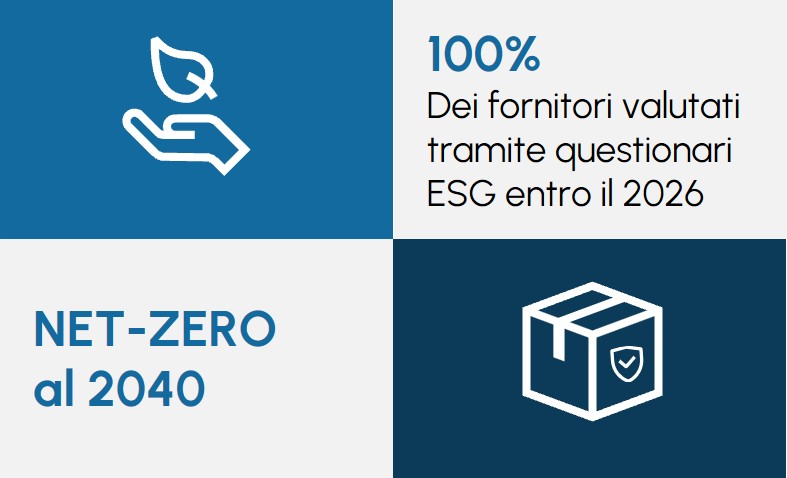
100% of suppliers evaluated through ESG questionnaires by 2026.

FIND OUT MORE

THE FS GROUP STRATEGIC PLAN 2025–2029

FS Engineering’s corporate commitment is established within the broader framework of the FS Group’s 2025–2029 Strategic Plan. This blueprint outlines an investment of over €100 billion over five years to make a tangible contribution to national development and strengthen the Group’s market presence across Europe.

To support and accelerate this institutional evolution, five transformative programmes have been identified to drive performance across all business operations:

  • Safety: Ensuring absolute protection for passengers, engineering assets, and staff, with a strict corporate objective of ‘zero accidents’.
  • Human Resources: Prioritising people, specialized skills, and continuous development to foster a deeper sense of corporate identity, inclusion, and collaboration.
  • Technology: Deploying over two billion euros of dedicated digital investment over a ten-year horizon to modernise operational delivery.
  • Sustainability: Placing an even sharper focus on sustainable mobility systems alongside heightened attention to workforce well-being to boost employee satisfaction.
  • Financial Resources: Leveraging the Group’s commercial businesses to their full potential, thereby maximising long-term growth opportunities.