<img height="1" width="1" style="display:none" src="https://www.facebook.com/tr?id=2358479414501997&amp;ev=PageView&amp;noscript=1">

NAVIGATING PROCESS COMPLEXITY WITHIN A STRUCTURED ENVIRONMENT

FS Engineering adopts a consistent, robust design approach within the highly diverse context of the infrastructure sector. This strategy is built to navigate an intricate Italian regulatory framework that is often difficult to interpret from an environmental perspective and subject to complex statutory authorization procedures.

To effectively address environmental challenges, safeguard local areas, and strictly guarantee compliance with critical construction timelines, we deploy the specialized disciplines that define environmental and land-use engineering.


Minimising interference with contaminated or potentially contaminated sites and seamlessly integrating remediation and restoration works with infrastructure designs make FS Engineering an industry leader in land regeneration and redevelopment. By anticipating and streamlining the administrative procedures required by sector-specific legislation, the company ensures project continuity and compliance.

Thanks to decades of experience and deep technical expertise, FS Engineering provides clients with comprehensive support, including site investigations to identify contamination, the drafting of characterisation plans, and extensive environmental surveys. Our teams execute high-precision sampling and characterisation analyses across soil, subsoil, surface water, and groundwater, alongside detailed studies on natural background levels.

Furthermore, we conduct health and environmental risk assessments to establish clear remediation targets, build hydraulic and pollutant dispersion models, and design targeted remediation and safety containment measures. During project execution, we provide on-site assistance to project management teams and continuously monitor relevant environmental media before, during, and after operations.

Finally, the company manages all relations with local authorities throughout the entire remediation lifecycle and develops optimized waste management and disposal plans.
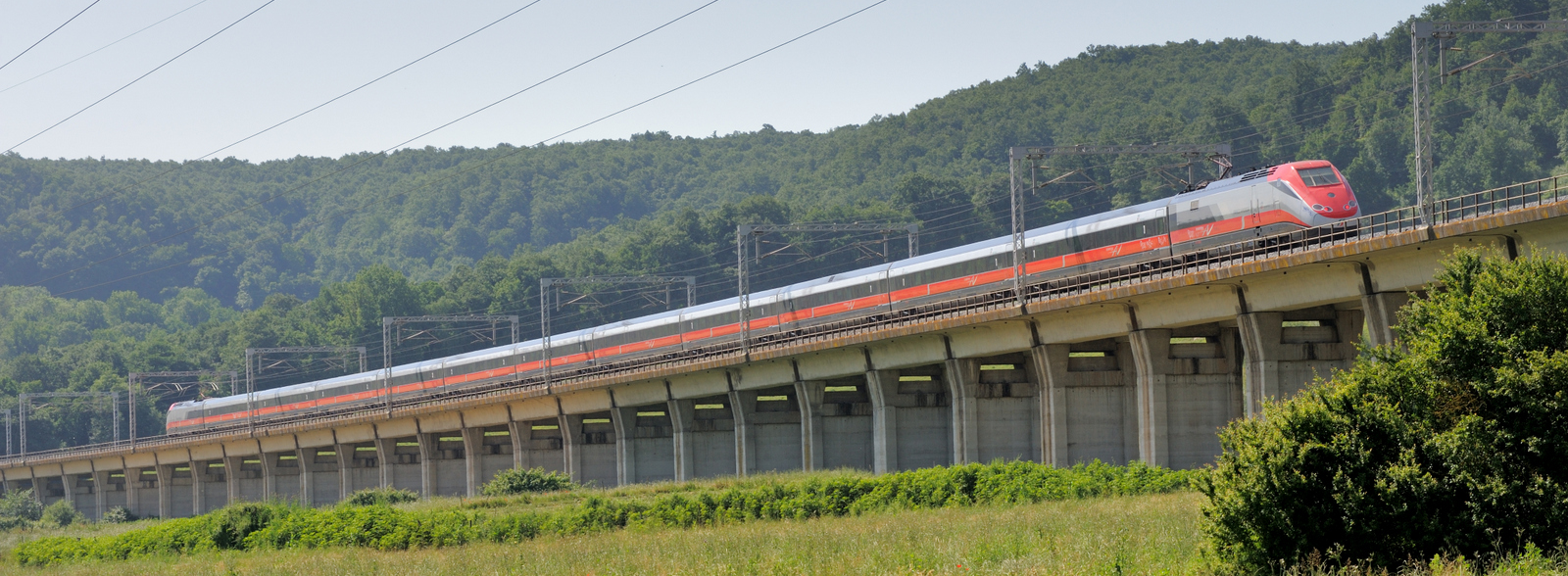
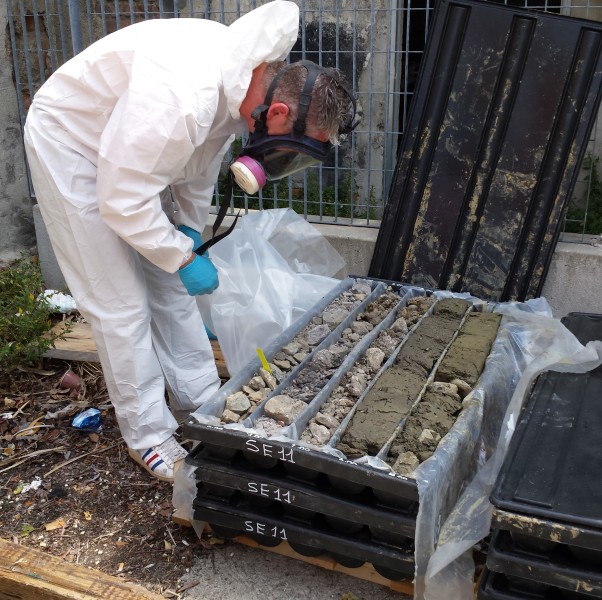
 

At a time when climate change is a primary driver of hydrogeological instability—including landslides, flooding, and coastal erosion—FS Engineering designs targeted measures to protect critical railway infrastructure. This ensures the construction of a resilient national network fully capable of adapting to future climate scenarios. Highly specialised expertise is delivered by industry experts working in close collaboration with leading Italian universities. Together, they develop advanced protection and mitigation schemes, seamlessly combining innovative methodologies—such as SAR interferometric satellite surveys—with standard engineering field surveys.


The management of excavated earth and rock—specifically the opportunity to treat these materials as valuable by-products rather than waste—has been shaped by numerous regulatory frameworks, culminating in the dedicated provisions of Presidential Decree 120/2017. With this sustainable vision in mind, FS Engineering addresses material management in an environmentally and economically viable manner. We actively participate in defining and continuously updating design standards, technical specifications, and corporate procedures. Our extensive experience in this field is underpinned by numerous successful collaborations with institutional bodies and industry organisations to develop innovative, digital applications for material tracking and circularity.


Italy is among the European countries in the Mediterranean region that makes the greatest use of groundwater, springs, and wells. This represents the nation's most vital source of fresh water for drinking purposes, yet over a third of the water extracted is lost due to technical and structural problems within the wider water system. In response, FS Engineering has introduced the Water Management project to safeguard these precious resources. This initiative resolves critical issues across the entire water cycle—including supply networks and drainage infrastructure—affecting various railway assets from an administrative, regulatory, and financial accounting perspective. Aligned with our core strategic objectives, the project champions sustainable water management. We put this into practice by developing advanced water diagnostics designed to control expenditure, monitor real-time consumption, and pinpoint network leaks. Furthermore, the project analyses and updates existing supply contracts to foster closer cooperation with the regional operators of the Integrated Water Service (SII).