INNOVATION, PRECISION, SAFETY: THE FUTURE OF BIM DESIGN IS ALREADY WITH US
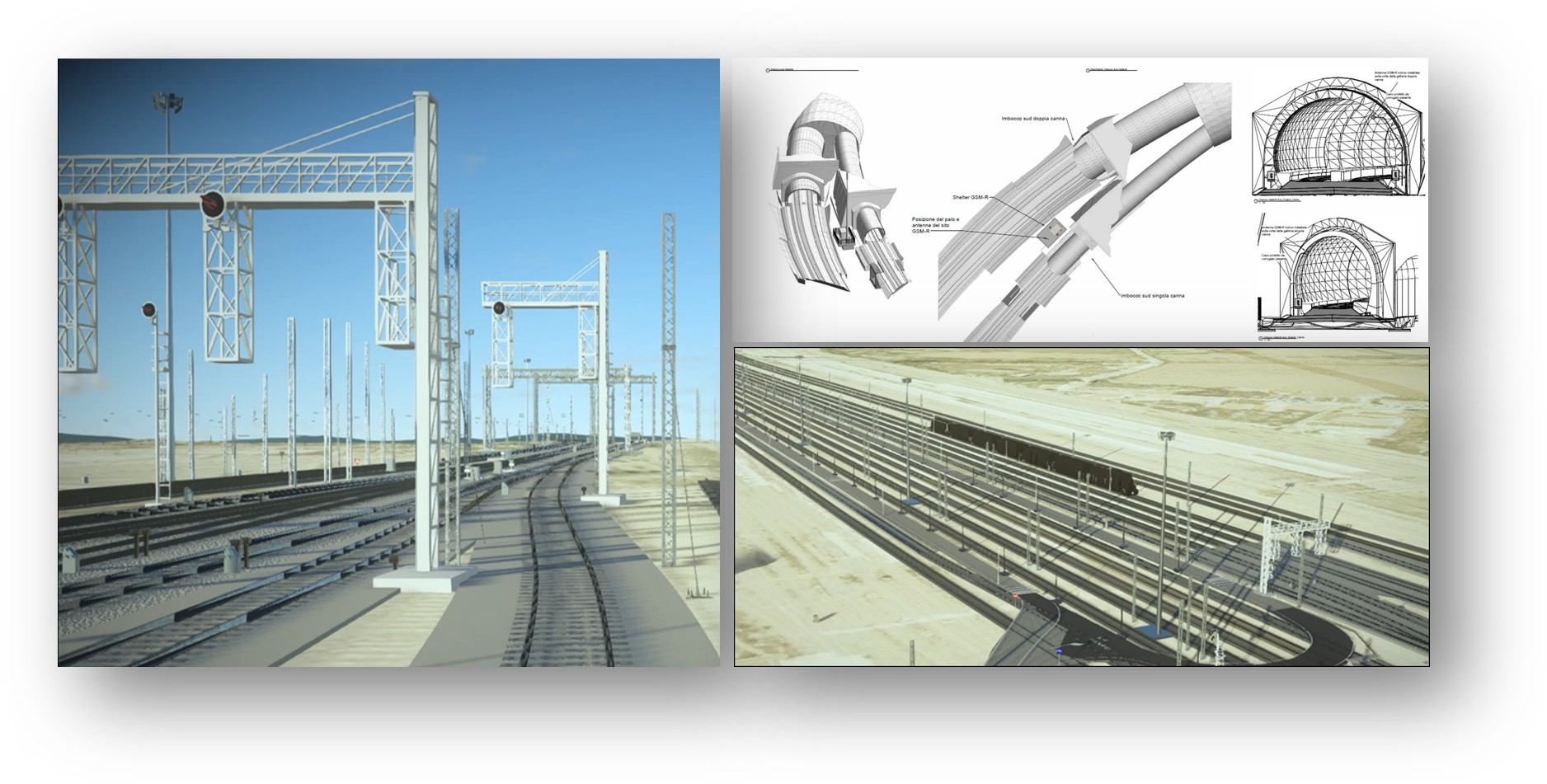
The engineering of railway systems within a BIM environment serves as the benchmark standard for major infrastructure projects, unlocking a fully integrated, multi-disciplinary approach for the most complex systems. Core railway technologies—including signalling, overhead line equipment (OLE), and telecommunications networks—are engineered synergistically alongside mechanical and electrical systems thus optimising spatial footprint allocation within technical buildings and ensures the clash-free distribution of equipment.
The structural coordination inherent to BIM methodologies enables real-time configuration management of design revisions across all engineering disciplines, driving rapid, data-led decision-making. Furthermore, information modelling supports complex staging and possession planning within railway yards, by conducting detailed spatial envelope and clearance analyses based on technological equipment footprints and the generation of accurate layouts for preliminary sizing.
Advanced lifecycle phases rely on automated validation via federated models, allowing project teams to proactively identify and mitigate critical design issues and continuous updating throughout the project lifecycle, to guarantee absolute data consistency, assurance traceability, and information robustness. Adopting dedicated object libraries and parametric positioning frameworks for technological elements within railway yards overcomes the constraints of legacy design workflows, which are traditionally hindered by fragmented data and a high incidence of site-clashes during construction. These digital workflows enforce rigorous process standardisation, reinforce the digital audit trail of design intent, and strengthen systems assurance across all delivery partners.
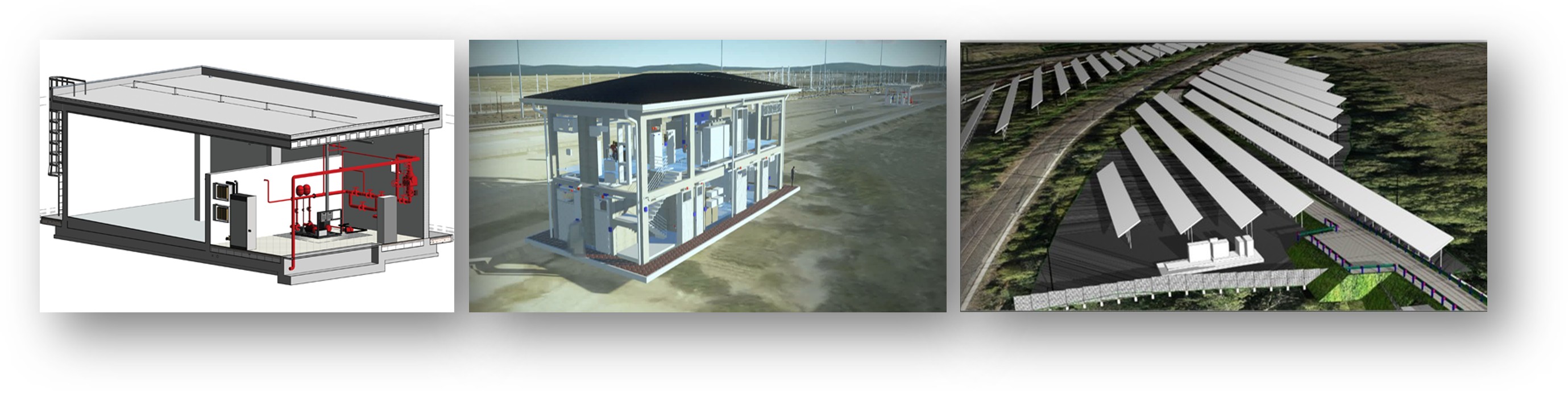
This BIM-centric model extends seamlessly to interface facilities supporting the core rail network, such as multi-modal logistics hubs and maintenance depots, providing a holistic and functionally coherent architecture of the entire rail ecosystem. Ultimately, the integration of railway systems engineering within a BIM framework delivers an advanced model of digital design and management capable of streamlining processes, backing informed operational decisions, and enhancing cross-discipline assurance. This approach directly delivers modern, sustainable, and high-performance rail infrastructure aligned with international engineering excellence and the digital maturity demands of the modern transport sector.
Individual projects and solar farms
Line works