Separating traffic flows and enhancing metropolitan mobility
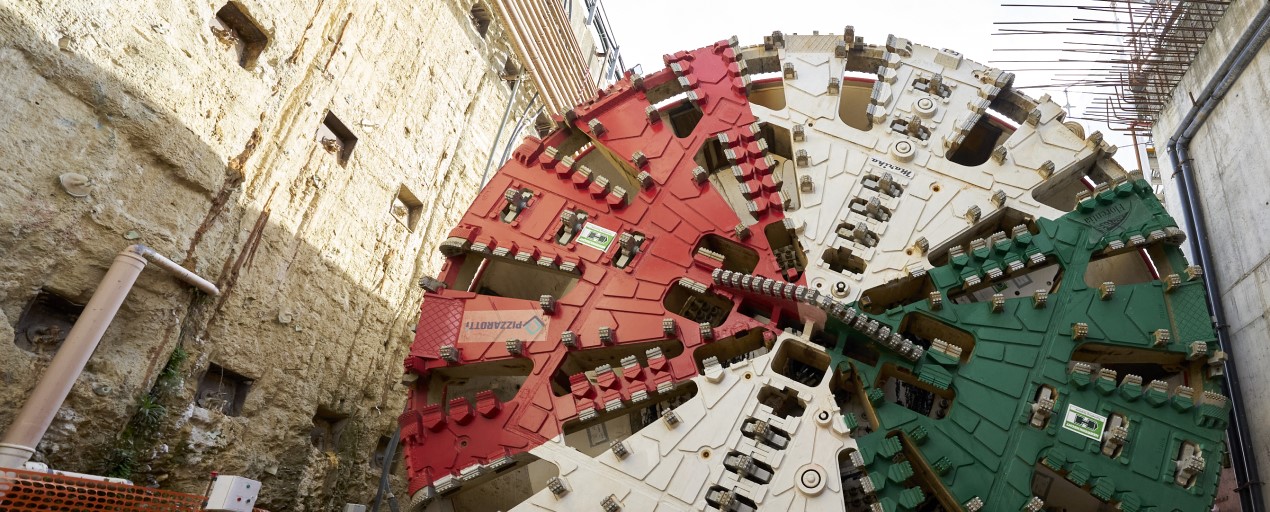
The Florence High-Speed Underground Through Line is a strategic infrastructure for the country’s entire rail system and for mobility in the Florence metropolitan area. The project involves a rail tunnel running beneath the city, with the aim of separating local/long-distance services and high-speed services, thereby eliminating interference between the different types of traffic and significantly increasing the capacity of the above-ground network. The route of the new high-speed/high-capacity line runs underground for approximately 7 km in two parallel tunnels, at an average depth of around 20 metres. The infrastructure is completed by two above-ground sections at either end: to the north between Firenze Castello and Firenze Rifredi, and to the south near Firenze Campo di Marte station.
The role of FS Engineering
FS Engineering is responsible for site supervision and environmental monitoring of the works, contributing to the management and oversight of a project that features a considerable degree of technical, operational, and environmental complexity, within a particularly sensitive urban context.
Excavation work
Excavation work is being carried out by two Tunnel Boring Machines (TBMs), deployed sequentially to optimise time and work processes. The Iris TBM, weighing approximately 1,500 tonnes and with an excavation diameter of 9.4 metres, has already excavated around 2.4 km of tunnel in the Campo di Marte–Belfiore section. The Marika TBM, also weighing around 1,500 tonnes, over 100 metres long and with a power output exceeding 4,500 kW, has commenced excavation of the second tunnel tube; this work is currently underway and has reached 3 km, following the completion of the first operational phase.
The Florence Belfiore High-Speed Rail Station
A central feature of the project is the new Florence Belfiore HS rail station, built on the underground through route at a depth of approximately 25 metres, near Via Circondaria. Designed by Foster + Partners in collaboration with Ove Arup & Partners, the station is approximately 450 metres long and 50 metres wide and consists of four levels. The track and platform layer is situated at a depth of approximately 22 metres, while the upper storeys house passenger flow areas and facilities. The station stands out for its innovative design, which maximises natural light even in the subterranean spaces, enhancing both traveller comfort and wayfinding. The roof consists of a low-profile vaulted structure with integrated photovoltaic panels and acts as an ‘artificial sky’, filtering natural light and contributing directly to the project’s energy efficiency. Finally, the station will be fully integrated with the wider urban transport system, offering seamless connections to the local tram line, the new Circondaria railway station, the regional bus network, and a future people mover to the central Santa Maria Novella station.
Environmental sustainability
The project places environmental sustainability at its heart through the adoption of low-impact design solutions and technologies. Construction work will involve the use of low-emission vehicles and equipment, including with hybrid and electric powertrains. The excavated material is mainly transported by rail and reused for environmental regeneration projects, including the restoration of the former Santa Barbara lignite mine in the Valdarno, thereby contributing to the revitalisation of a derelict site.
Benefits for the railway network
The high-speed rail link will enable the separation of traffic flows, improving the punctuality and reliability of rail services and increasing the overall capacity of the Florence hub. The new configuration will enhance regional and metropolitan services, with direct benefits to commuters and local users, with more efficient management of passenger flows at Florence Santa Maria Novella station. The project represents a crucial step towards a more efficient, sustainable, and integrated transport system, capable of meeting the growing demand for transport in the Florence area and across the national rail network.