Monza–Chiasso: a new milestone in railway digitalisation
FS Engineering’s integrated expertise supporting the activation of the ERTMS Baseline
Milano, 31 October – 1 November 2026
During the night between 31 October and 1 November 2026, the activation of ERTMS Baseline 3.2 on the Monza–Chiasso line was successfully completed, marking a further step in the technological modernisation and digitalisation of the railway infrastructure.
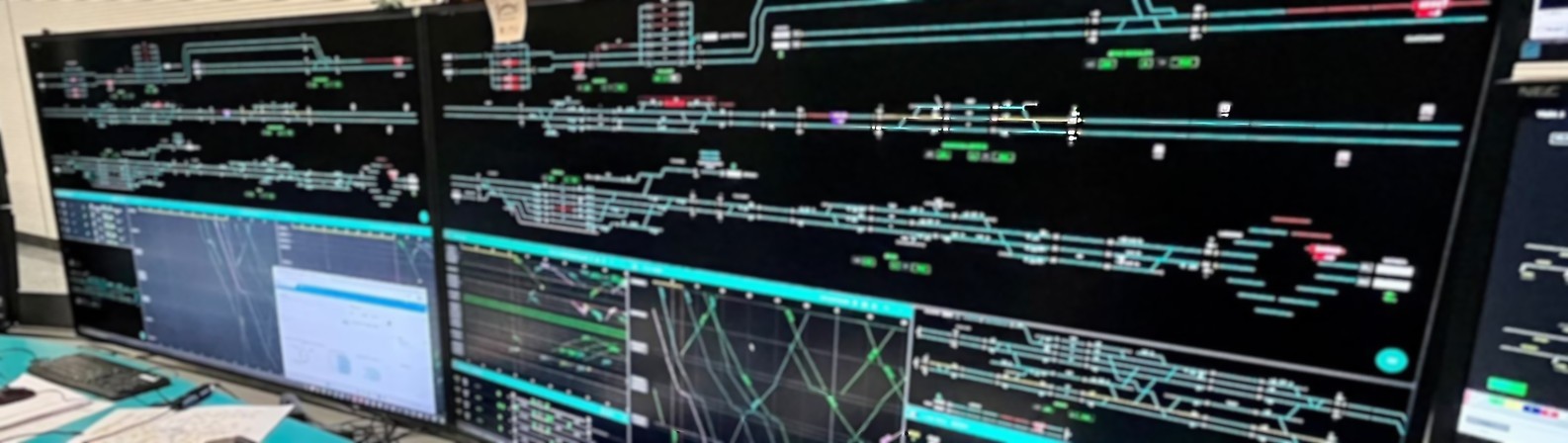
The works involved the existing ERTMS Level 2 system and included the upgrading and reconfiguration of the signalling and supervision equipment installed at the Milano Greco Central Control Centre and along the line.
The new Baseline will enable the infrastructure manager to extend its commercial offering to a larger number of railway undertakings operating rolling stock equipped with ERTMS, broadening the line’s operational potential and enhancing interoperability.
ERTMS is, in fact, one of the strategic components in the evolution of railway traffic command, control and protection systems. The adoption of increasingly advanced standards supports the network’s digital transformation, helping to improve the regularity, control and reliability of railway operations.
As part of this process, FS Engineering provided specialist expertise, supporting the various stages of the project through design, integration, verification, validation and Safety activities, including the testing required prior to bringing the new configuration into operation.
This effort involved the coordinated contribution of professionals from the Operations Department and the Technology Design Department, bringing together engineering, technological and systems expertise and providing the support required to complete the contractor’s activities.
The activation of Baseline 3.2 on the Monza–Chiasso line therefore represents not only a technological advancement for the line, but also a tangible example of the value generated by FS Engineering’s multidisciplinary approach, enabling the company to manage the complexity of railway systems throughout the entire project lifecycle.
This strong base of highly specialised expertise enables the Company to support the evolution of railway infrastructure, turning engineering and innovation into tangible solutions for an increasingly modern, interoperable and sustainable network.