Preventive archaeology: innovation and knowledge for infrastructure design
Advanced technologies and a predictive approach to reduce risks and safeguard territories
As a strategic component of infrastructure design, preventive archaeology is a fully-fledged tool that enters decision-making processes and contributes to guiding project development.
In this scenario, FS Engineering optimizes archaeological analysis from the earliest design stages by adopting an advanced predictive approach aimed at anticipating knowledge of the archaeological context.
Integrating archaeology into the project from the very beginning of the asset’s lifecycle means managing territorial complexity before critical issues emerge.
This approach makes it possible to reduce design uncertainty, identify potential interferences in advance, and limit variations, costs, and delays during construction.
The result is a more robust, informed, and efficient design.
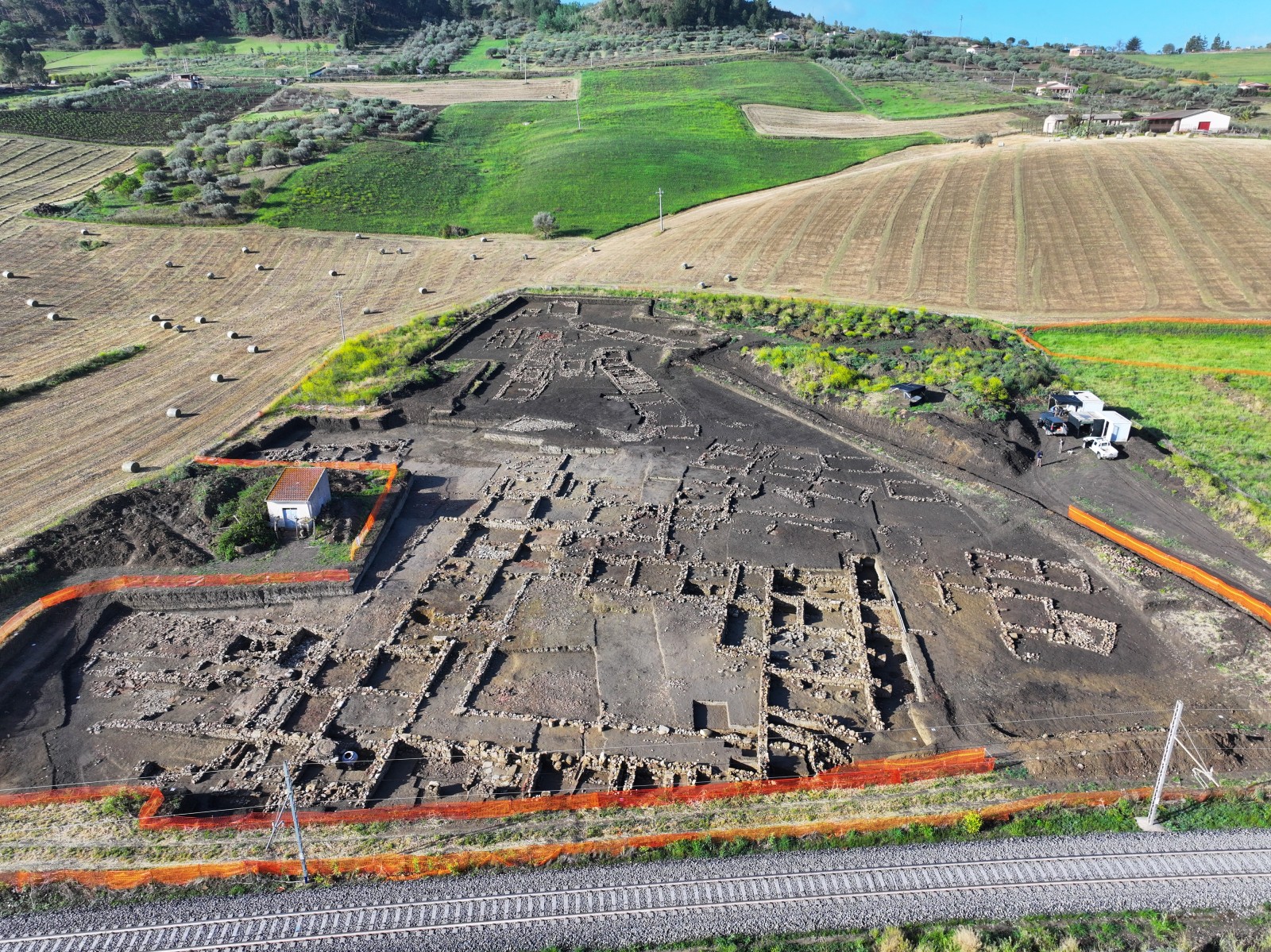
As a strategic component of infrastructure design, preventive archaeology is a fully-fledged tool that enters decision-making processes and contributes to guiding project development.
In this scenario, FS Engineering optimizes archaeological analysis from the earliest design stages by adopting an advanced predictive approach aimed at anticipating knowledge of the archaeological context.
Integrating archaeology into the project from the very beginning of the asset’s lifecycle means managing territorial complexity before critical issues emerge.
This approach makes it possible to reduce design uncertainty, identify potential interferences in advance, and limit variations, costs, and delays during construction.
The result is a more robust, informed, and efficient design.
At the core of FS Engineering’s model is the systematic use of advanced non-invasive survey technologies, including:
- UAV surveys (LiDAR, multispectral, thermal)
- Magnetometry
- Ground-penetrating radar (GPR)
- Electrical resistivity tomography
These tools make it possible to analyse the subsurface continuously and at high resolution, detecting anomalies and buried structures even in the absence of visible evidence.
The integrated use of these technologies delivers tangible benefits, such as optimized excavation surveys, greater precision in locating findings, improved time and cost efficiency, and reduced impact on construction site activities.
The collected data are managed in digital environments, integrating a structured representation of archaeological risk that directly supports design decisions while ensuring data consistency and traceability.
Looking ahead, the integration of advanced analytical tools and AI-based solutions further enhances the predictive capability of the process.
Practical applications, in both urban and rural contexts, confirm the effectiveness of this approach: non-invasive investigations become an additional key tool for combining heritage protection with infrastructure development.
With this approach, FS Engineering confirms its leadership in the evolution of the sector, promoting an integrated, innovative, and forward-looking model where anticipating knowledge means improving the quality of projects, reducing risks, and enhancing the value of territories.
An in-depth scientific insight into FS Engineering’s activities in the field of preventive archaeology was published in Geomedia, issue no. 1, 2026 (only available in Italian)
