Rome-Naples HS/HC Line: a new step forward in the technological modernisation of the network
First phase of the telecommunications systems upgrade completed on one of Italy’s main railway corridors
Rome, 27 September 2026
On 27 September 2026, Phase 1 of the project to renew the telecommunications systems and technological equipment of the Rome-Naples High-Speed/High-Capacity (HS/HC) line entered service, covering the Rome Termini-Anagni section.
This marks a significant milestone within the broader technological modernisation programme of one of Italy’s principal railway corridors, achieved through a complex process of design, implementation, integration, and testing of new systems developed to meet the current and future needs of the national rail network.
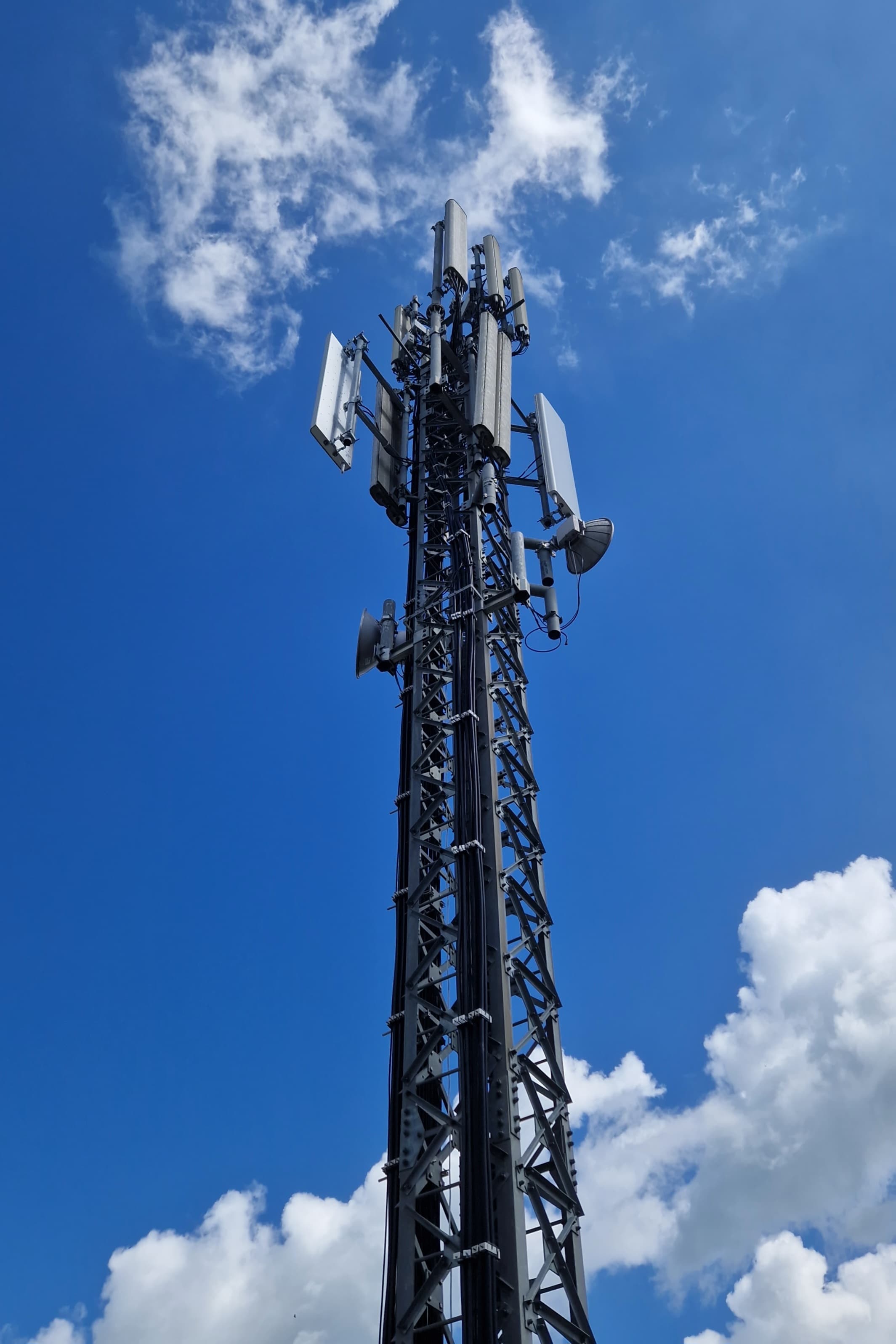
The project enabled the migration of approximately 65 km of telecommunications infrastructure to a new technology platform, comprising 64-fibre optic cable backbone networks, new technology sites, ATP 7090 transmission equipment operating on an MPLS-IP network, new GSM-R base transceiver stations (BTS), radiating equipment and related cabling, power supply infrastructure, and supervision systems for remote network monitoring.
Among the most technically challenging aspects of the project was the GSM-R system swap on an operational ERTMS/ETCS Level 2 railway line. This activity required meticulous planning and a complex integration process involving the new radio network, trackside equipment, supervision and diagnostic systems, and the existing signalling system, ensuring full operational continuity while maintaining the highest standards of reliability and safety.
The achievement was made possible through the close collaboration between FS Engineering, RFI, and the Temporary Consortium of Companies comprising SITE, ESIM Costruzioni, Cioce Costruzioni, and DBA Progetti, together with all the professionals involved, whose highly specialised expertise and continuously coordinated efforts contributed to the successful delivery of the project.
With the commissioning of Phase 1, FS Engineering further confirms its role as the FS Group’s centre of engineering and technological excellence, deploying multidisciplinary expertise in the design, integration, and commissioning of complex systems. This strategic contribution supports the ongoing innovation of Italy’s railway network and advances the digital transformation of infrastructure, helping deliver increasingly efficient, safe, and sustainable mobility.